

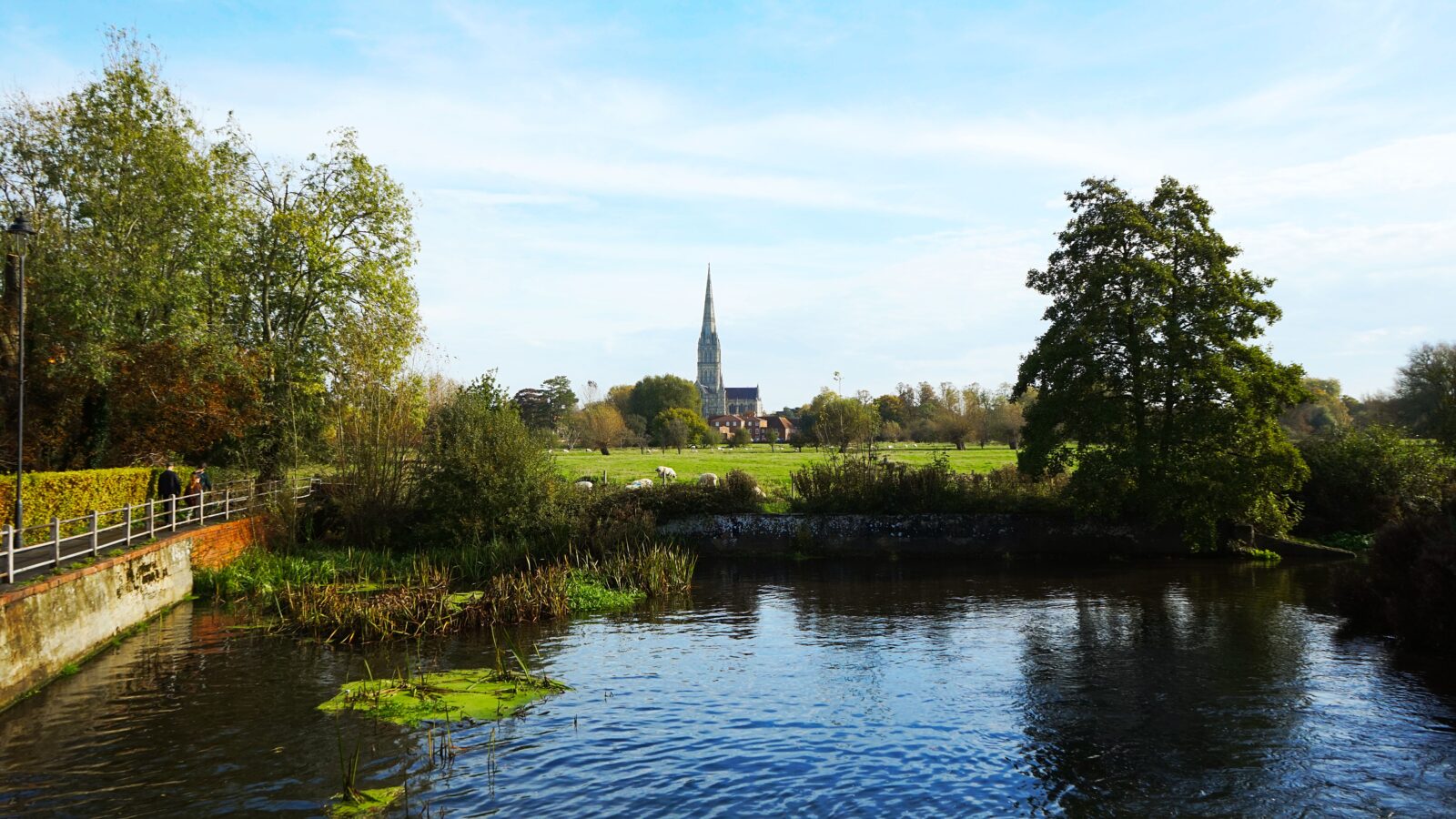
Just 14.3% of England’s waterways, including rivers, lakes and estuaries, have achieved good ecological status, according to the latest Environment Agency (EA) figures – highlighting the scale of the challenge facing the country’s water environment.
The EA assessed all 4,658 of England’s surface water bodies, looking at factors including wildlife, water quality and physical habitat. While 14.3% achieved good status, 65.4% were classed as moderate, 17% as poor and 3.1% as bad.
For anyone planning a self build, the findings are a reminder that water should be considered from the outset of a project – particularly when choosing a plot and designing drainage, wastewater and water-saving systems.
The EA identified sewage discharges, agricultural pollution and surface water run-off from urban areas and transport among the key pressures affecting waterways. All surface waters also failed the separate assessment for good chemical status, with persistent pollutants including mercury, PFOS and PBDE flame retardants contributing to the results.
Sustainable water management can therefore play an important role in reducing a new home’s environmental impact. Measures such as rainwater harvesting, permeable surfaces, water-efficient fittings and carefully designed drainage can help reduce demand on mains supplies and limit the amount of run-off entering local watercourses.
The EA says the latest data will help target investment and enforcement, while increased monitoring of water companies and farms is already under way.
For self builders, it is another reason to think beyond the energy performance of a home. A truly sustainable house should consider its impact on the wider environment – including the water that surrounds it.

